
Sign up for the ING newsletter to receive news and announcements.
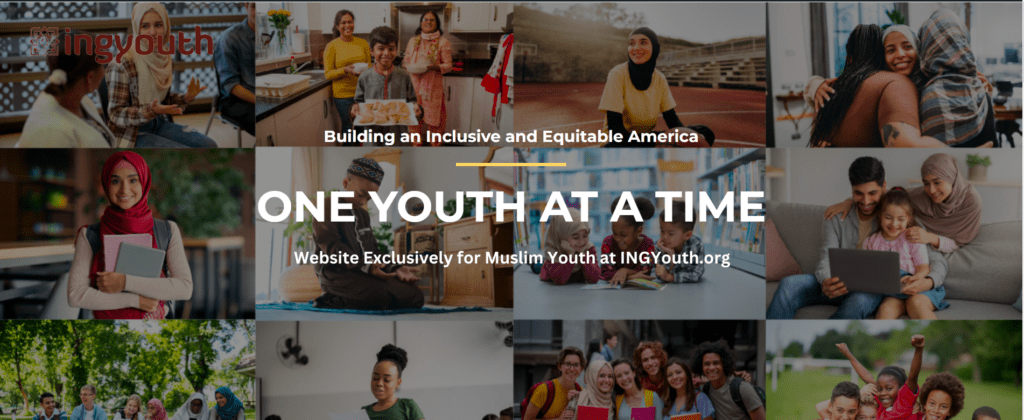
Every student deserves a safe and supportive learning environment. Sadly, surveys show that Muslim students in America, along with those mistaken for Muslims, face bullying and hate incidents at rates 50% higher than the national average. Islamophobia, also impacting Arab, Middle Eastern, Sikh, and South Asian communities, undermines their right to equal education and poses barriers to their well-being and success.
INGYouth is committed to fostering an inclusive society through education. Our initiatives empower Muslim students, who often face bullying such as demeaning jokes, blame for tragic events, and physical assaults like hijab removal. These incidents harm mental health, emotional well-being, and academic performance.
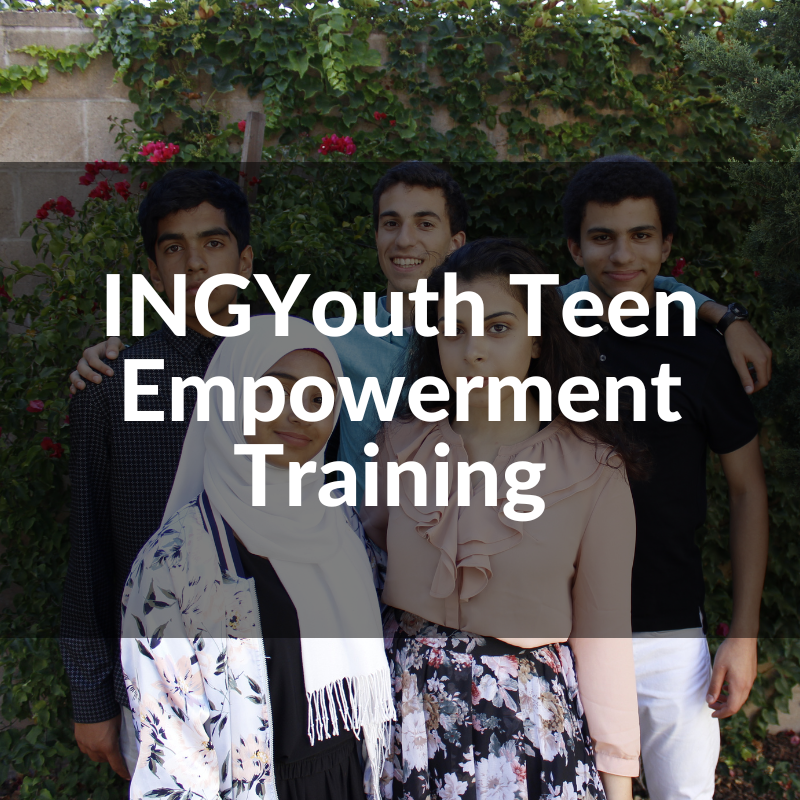
To address this, INGYouth provides anti-bullying resources, including Teen Empowerment Training webinars, educational PowerPoints, handouts on student rights, and parent guides with practical strategies. Together, we aim to create safer, more inclusive schools where all students can thrive.



Frequently Asked Questions (FAQ)
Start by fostering open communication with your child. Encourage them to share their experiences and reassure them that it’s okay to speak up and report bullying to trusted adults. Equip yourself and your child with practical tools, such as our Anti-Bullying Handout and Parent Webinar, which provide guidance on how to handle these situations effectively. Building a strong support system at home and in the community can also help your child feel more empowered.
Educators play a crucial role in creating inclusive and supportive schools. To promote religious diversity and counter Islamophobia, educators can use resources like our Teen PowerPoints and schedule Inclusion and Belonging training seminars. These resources offer actionable strategies for fostering a culture of respect and understanding, accommodating diverse student needs, and addressing biases in the classroom and school policies.
Bullying is a pervasive issue that requires a collective effort to address. Raising awareness about its harmful effects is the first step. Educate yourself and others by engaging with programs and resources that address the root causes of bullying. Supporting anti-bullying initiatives, policies, and campaigns within schools and communities ensures sustained action against bullying, helping to create a safer and more compassionate environment for all students. This is a helpful resource by the U.S Department of Education: StopBullying.gov.