
Sign up for the ING newsletter to receive news and announcements.
By Maha Elgenaidi, Founder and Executive Director (Bio)
March 10, 2025

When speaking to people of other faiths about Ramadan, I often find myself struggling to do it justice. The fast, in particular, seems to evoke a mix of emotions—curiosity, skepticism, and even pity.
Some find it admirable but extreme; others assume it must be a burdensome obligation. Having once been completely secular in my early adult years, I understand this perspective. From the outside, religious practices that involve discipline, sacrifice, or self-restraint can appear strange, unnecessary, or even restrictive.
But for those who observe it, Ramadan is something else entirely. It is not a period of deprivation, but of abundance—an abundance of clarity, of gratitude, of spiritual renewal. Muslims eagerly anticipate its arrival, preparing themselves for a month of devotion, community, and personal growth. And when it ends, many feel a deep sense of loss, not because of the return to food and drink, but because Ramadan offers something rare and precious: a heightened awareness of time and how you spend it.
Ramadan: A Month of Spiritual and Social Meaning
Ramadan is the ninth month of the Islamic lunar calendar, a time when Muslims believe the first verses of the Quran were revealed to the Prophet Muhammad. It is a month of worship, fasting, charity, and togetherness. Abstaining from food and water from dawn until dusk—anywhere from 10 to 16 hours in the United States, depending on the season—is only one aspect of the fast. More than just a physical act, fasting is intended to foster self-discipline, mindfulness, and deeper awareness of God, particularly in the development of good character and habits.
Ramadan is also deeply communal. Families gather for pre-dawn meals (suhoor) and sunset iftars, breaking their fasts with loved ones and extending generosity to others. Mosques overflow with worshippers, and the sense of unity is tangible. Muslims strive to strengthen their relationships—not just with God, but with their families, friends, and communities. It is a time of introspection, gratitude, and renewal.
Yet while these spiritual and social benefits are widely recognized, I believe the most profound gift of Ramadan is its ability to reshape our perception of time.
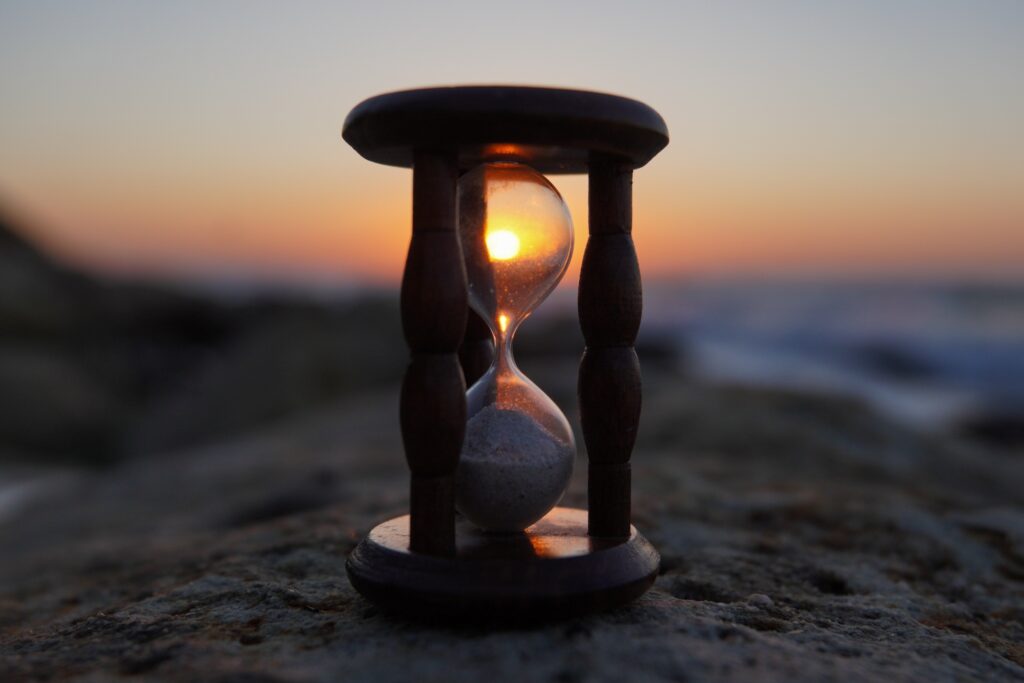
The Fast as a Reminder of Time’s Sacredness
Fasting from dawn to sunset heightens our awareness of time in a way that is difficult to grasp without experiencing it. While observant Muslims pray five times daily throughout the year, the sense of time’s passage is never as pronounced as it is during Ramadan.
The movement of the Sun—something that usually fades into the background—becomes the defining structure of your day. You are constantly aware of its position in the sky, anticipating the moment when you can break your fast.
But fasting isn’t just about waiting for food. It forces you to slow down and pay attention—to how you spend your minutes and hours, where you direct your energy, and what holds your attention. Time no longer feels infinite; it becomes something valuable, something to be guarded against distraction and used with intention.
In daily life, we are pulled in countless directions—work obligations, social media, endless news cycles—all competing for our time and attention. It’s easy to mistake busyness for productivity and to lose sight of what truly matters. Ramadan interrupts this pattern. It forces a pause, creating space for reflection and a renewed sense of purpose.
Reclaiming Time from Distractions
Without the constant interruptions of eating and snacking, and with heightened mindfulness, you become aware of just how much time you truly have in a day. You start to notice the small, meaningless activities that consume your time—mindless scrolling, superficial conversations, unnecessary tasks done out of obligation rather than purpose. You become more intentional about how you spend your energy.
This heightened awareness leads to a natural filtering of distractions. Many people find themselves distancing from excessive social media use, political debates, and news that thrives on outrage. The constant noise of the world, which once seemed so urgent, now feels trivial.
Instead, time is redirected toward what is meaningful, more focused prayers, deeper reflection, more time with family, and activities that nourish the mind and soul.
Some find themselves reading more, writing, or simply being present in ways they hadn’t been before. The fast teaches a powerful lesson: much of what we believe we “don’t have time for” was simply being crowded out by distractions.
The Sweet Spot: Moderation and Adaptation
Of course, fasting is not always easy. If mismanaged, it can lead to exhaustion or struggle. But Ramadan teaches us balance. Through trial and error, you learn how to adjust your daily rhythm—waking early for suhoor, pacing your energy throughout the day, choosing nourishing foods that sustain rather than deplete. You develop the ability to adapt based on daily circumstances, an invaluable skill that extends beyond Ramadan.
There is a “sweet spot” in fasting—a state where the struggle fades, and a new rhythm emerges. It is in this space that the true essence of fasting reveals itself: not hunger or fatigue, but clarity and sacredness. A profound sense of presence, purpose, and connection to something greater takes hold. Some reach it within the first few days of fasting, while others find it in the middle or during the final third of the month.
Carrying the Lesson Beyond Ramadan
The true gift of Ramadan is not just in the fast itself but in the habits and realizations it instills. It reveals how much time we waste on distractions and how much more we can devote to what truly matters. Many who observe Ramadan find that they had more time than they thought for prayer, family, reading, reflection, and personal growth.
The challenge is to carry that mindfulness beyond the month—to continue protecting our time, filtering out the unnecessary, and staying focused on what brings true fulfillment. Ramadan teaches that time, when used with intention, is one of the greatest gifts we have. And once we realize that, we can never look at it the same way again.